Showing posts with label silver hydrogen peroxide. Show all posts

Wednesday, 31 May 2017

REPLACE CHLORINE WITH SILVER HYDROGEN PEROXIDE

Chlorine has been the number one disinfectant for safe drinking water. It came into the limelight during the 1900s when in the hurricane struck areas, clean drinking water was required in a short period of time. Chlorine brought the revolution by eliminating typhoid, cholera, dysentery and other ailments which were otherwise killing thousands of people.

Chlorination is basically adding chlorine gas or sodium hypochlorite to water that dissociates into hydrogen and hypochlorite ions. It works on contact basis, where it oxidizes the cell membrane, and the free chlorine ions enter the ruptured cells stopping cellular respiration and DNA activity, resulting in microbial death.

However effective the process of chlorination is, it requires timely de-chlorination for the water to be available to the consumers. De-chlorination with Sodium Metabisulphite (smbs) or Activated Carbon is necessary so that the final outflow of water contains less than 3 ppm of sodium hypochlorite. It is important to look for a friendlier hassle-free solution, which perfectly places silver hydrogen peroxide on full throttle.

Silver Hydrogen Peroxide is an eco-friendly broad spectrum disinfectant, effective on a wide range of microorganisms including protozoan cysts & fungal endospores which are left unharmed in chlorination. It works against biofilms and slimes in closed pipeline systems, in spite of being noncorrosive in nature. Silver Hydrogen Peroxide breaks down into water and oxygen with no THM or any other residue. It lacks the pungent odour of chlorine and does not alter the taste and smell of water. It works on a short contact time, requiring a much lesser time for disinfection. Chlorine usually takes 20 minutes, excluding the other hassles of de-chlorination, etc. The process of disinfection is even simpler for this product, just addition of raw silver hydrogen peroxide to water and ensuring a good contact time is enough for safer water. FDA has approved the usage of Silver Hydrogen Peroxide in drinking water up to a concentration of 25 ppm.

Chemtex Speciality Limited globally markets Nano Silver Hydrogen Peroxide made from a combination of Hydrogen Peroxide IP and Nano Silver particles, under the registered trade name of Alstasan Silvox.

Thursday, 18 May 2017

Farm Bio-security with Nano Silver Hydrogen Peroxide based Alstasan Silvox

Soil and water are treasured ecological components and basic elements of agriculture that must be sustain-ably preserved. End use classification of agriculture disinfectants are divided into livestock and farms. Disinfection products and detergents used on the farm find their way through harvested products and thus into the human food chain. Implementation of Good Farming Practices (GFP) protects livestock and consumers from diseases and other health hazards. Bio-security being an integral part of GFP is based on sound preventative and curative measures for maximum security and therefore turning into profitability. Effective use of agriculture disinfectants proves growth efficiency while also having efficacy against typical farm diseases thereby requiring implementation of effective disinfection programs. Environmental effects channel down to human wellness and thus necessitating awareness. It is thus important to consider uses of disinfectants that may present environmental risks.

Agriculture Disinfectants market is driven by increasing demand for animal products, increasing greenhouse vegetable production and vertical farming, increasing disease outbreaks among livestock, and recent ban on antibiotics in animal feed. The function of disinfectants is to kill and prevent the growth of microorganisms. Disinfectants are potentially harmful substances that are used in intensive animal production and disease control programs. These products may harm plant and animal life, even humans, also have an adverse impact on the environment, when used without due caution. Disinfectants for animal husbandry or livestock are gaining popularity as livestock farmers make frequent use of disinfectants for newborn animals owing to their highly vulnerability to diseases and infections, due to their immature immune systems. Moreover, adoption and use of innovative animal husbandry practices improve health and sanitation of the animals, increase crop quality and productivity of the crops driving the growth of agricultural disinfectants market in this region. The general agriculture disinfectants include the use of chlorine, formaldehyde, phenols, peracetic acid, QACs, iodophor, or hydroxides like caustic. All of the aforementioned products are generally toxic to a broad range of living cells but provide no long-lasting protection against microorganisms. Broad spectrum use of hydrogen peroxide and its breaking down to water and oxygen as end products names it world’s safest sanitizer.

Pre-requisites for an effective agriculture disinfectant:
  • Safe to use and handle
  • 100% biodegradable
  • Easy to evaluate in-use dosages
  • Broad spectrum disinfectant
Silver hydrogen peroxide, eco-friendly agriculture disinfectant, is hydrogen peroxide stabilized with the addition of silver proves well effective in farms. Silver hydrogen peroxide works on a contact basis, where hydrogen peroxide with its oxidizing capabilities breakdown the cell wall of pathogenic cells, and antimicrobial silver works thereafter. Three factors of silver that benefit this product are its oligodynamic property (antimicrobial silver), stability (H2O2 does not readily decompose), and activation (H2O2 is only activated when exposed to bio-foulants).

Finding use in open field cultivation, with miles of unmanned farms running, and protected greenhouses where particular pathogens having similar growing conditions flourish easily.
Key features of silver hydrogen peroxide for horticulture purposes include:

     ·         Broad spectrum biocide
     ·         Eco-friendly, safe and non-toxic product
     ·         Application features drip, drench, soil fumigation
     ·         Works on a short contact time
     ·         Active over a wide pH and temperature range
     ·         Non carcinogenic, non mutagenic to humans
     ·         Minimizes use of harmful pesticides
     ·         No phyto-toxic effect
     ·         Prevents clogging of drip lines and venturi meters

Microbial diseases like bacterial cankers, mildews, root gall formations, leaf wilting, spotting can be averted and/or treated with the use of silver hydrogen peroxide.


Friday, 7 April 2017

How Silver Hydrogen Peroxide can be effective in dental clinics

Hospital Disinfection has always been one of the prime concerns for safe disinfection, since nosocomial infections is now quite a heard term, and both patients and doctors are exposed to blood and saliva on a daily basis. Blood and saliva contains considerable amounts and varieties of bacteria, viruses, and other pathogens, mostly causal for flu, pneumonia, tuberculosis, hepatitis, etc.

Studies have shown that 20% of dentists, 13% of assistants, and nearly 17% of the staff have been exposed to Hepatitis B and many suffer acute/ chronic effects of the same. Sterilization through autoclaving is important but cross contamination occur before, since many thermophilic bacterial spores are resistant to pressurized steam as well. The correct procedures incorporate disinfection, and then sterilize the same to remove microbes and spores. Bacterial spores are most resistant to biocides.

Endospores are hard, non reproductive coverings secreted by many gram positive bacteria, and are the sole reason behind their resistance to most DNA damaging chemicals and Ultra Violet Light. The two methods mostly employed to disinfect the same. The thing about silver hydrogen peroxide is that it is a blend of hydrogen peroxide and silver, which works on a dual basis oxidizing the spores on a contact basis, with the silver dissembling the DNA. Problem solved, right?

So, why not use just an oxidizer? Or silver? An oxidizer would of course be effective on the sporulation but would fail to determine the long lastingness of the same and since there is no antimicrobial silver to dissemble the DNA which would sooner build up resistance for the same.

And silver, well it cannot even break the shell to reach the core by itself.

Apart from this, silver hydrogen peroxide is short lived but silver has strong antibacterial effects, with broad spectrum effectiveness. Together this blend of hydrogen peroxide and silver is nearly as twenty times more powerful than hydrogen peroxide alone. This solution is natural, colorless and does not stain dental equipment. It is non corrosive and odorless in nature. Being a multipurpose disinfectant, it is used to sanitize the water supplies as well. To know more, feel free to read about the product.

Chemtex Speciality Limited globally markets Nano Silver Hydrogen Peroxide made from a combination of Hydrogen Peroxide IP and Nano Silver particles, under the registered trade name of Alstasan Silvox.


Friday, 31 March 2017

Going green in the greenhouse

Greenhouse Effect is a pretty well heard term on the news, but do you know the origination of the term?  The concept of a greenhouse dates back to the Roman times, with the first Greenhouse built in the 13th Century, then known as “giardini botanici “to preserve exotic plants that the explorers brought back from the tropics.

The concept is simple; a structure where the walls and roof are made of transparent materials. Sun rays pass through the transparent walls and roof warming up the air and contents inside the greenhouse which on getting warmer re-emit the heat but this re-radiated heat from them cannot pass through glass again since they are of a longer wavelength, hence the temperature inside rises.

The need to protect the crops against unfavorable natural conditions prompted the advancement of protective cultivation. Greenhouses have got the extravagant of farmers, with their yields being safe from the evil impacts of climate, for example, untimely rain, hail, temperature fluctuations, etc. Under the National Horticulture Mission, farmers are being given subsidies to use greenhouses. Greenhouse development has turned into an essential approach of Indian Agriculture. Progressive farmers have achieved manifold increase in their yield and income by switching over to unconventional agricultural techniques like organic and poly house farming.  A greenhouse set up on one acre costs about 36 lakhs, out of which 65 per cent is granted as subsidy by Horticulture Department of Central and State Governments and a farmer has to bear an expenditure of about 12 lakhs.

The total production of vegetables in India is next to China, but per capita availability of vegetables is much lower than required, therefore, it is utmost necessary to improve the productivity of crops including vegetables. Steaming is just a fleeting solution; it loses its effectiveness every year. Pests and pathogens recuperate more rapidly every time. Steaming results in exhaustion, the increasing costs of fossil fuel, and the effects on the environment make it necessary to find a different approach. Steaming results in exhaustion, the increasing costs of fossil fuel, and the effects on the environment make it necessary to find a different approach.

With all the other climatic issues secured, the only door left to close is the one belonging to pests and pathogens, where Silver Hydrogen Peroxide emerges as the most effective gate keeper. Due to intensive soil management practices, soils in greenhouses are exhausted and very conducive to soil borne pathogens.  The most prominent fungal pathogens are Sclerotinia sp., Rhizoctonia solani, Botrytis cinerea and Pythium sp. The first three are able to produce sclerotia, by which they can survive in soil for many years requiring their timely disinfection. Effective beforehand soil disinfection with Silver Hydrogen Peroxide proves advantageous in many ways. Initial soil fumigation with silver hydrogen peroxide before plantation, moreover treatment by drip method is more effective in greenhouses.


Chemtex Speciality Limited globally markets Nano Silver Hydrogen Peroxide made from a combination of Hydrogen Peroxide IP and Nano Silver particles, under the registered trade name of Alstasan Silvox.


Tuesday, 21 March 2017

Revolution in Organic Farming with Silver Hydrogen Peroxide based Alstasan Silvox

The word organic has gained substantial attention in recent years, but why? People are literally done with the usage of synthetic chemicals which act fast but we, humans, those at the end of the line pay heavy fine.

Nano silver based Hydrogen Peroxide might sound heavy in name, but is completely nontoxic and eco-friendly in nature. Meeting all the demands of being natural, and bringing a revolution in the field of organic farming. Needless to say, water and oxygen are both nontoxic. And, the remaining silver has been proven to be way below toxic levels, and is only beneficial to everyone; like increasing the shelf life of fruits with its anti-senescence property, disinfection with the antimicrobial property, and many more to follow.

The prime characteristics that are required to be fulfilled for organic farming and how are they met with silver hydrogen peroxide! Without altering any basic characteristics of the soil, it protects soil fertility. Harvesting supplements and traditional methods like vermicomposting (i.e., with earthworms) are not hampered with its usage.

Being nontoxic, the natural waste products can still be reused, without hindering the natural crop cycles. Minimal thermal, biological, and chemical mediation is allowed, which are all met with silver peroxide; it is a cold sterilant, nontoxic on mammalian/ macro level, and eco friendly leaving behind no unwanted chemical reaction.

One of the many applications of this biodegradable disinfectant includes safe sanitation of animal husbandries, which help in preventing animal related diseases, paying full attention to their housing, health and development. Above went the tamed ones, what about the untamed or wildlife; well, silver hydrogen peroxide does not impair the natural harmony/ balance between the living species.

Still thinking where to get, look no further!

Chemtex Speciality Limited globally markets Nano Silver Hydrogen Peroxide made from a combination of Hydrogen Peroxide IP and Nano Silver particles, under the registered trade name of Alstasan Silvox.

- See more at: http://www.silverhydrogenperoxide.com


Tuesday, 14 February 2017

How Hydrogen Peroxide and Silver Nitrate used in Hospital Disinfection?

Human health and well being is the most quintessential aspect in the end. And hospitals cater to our needs when in times of distress. Why not then take adequate measures to keep those premises clean and sanitized reducing the chances of nosocomial infections.

Excess patient overload in emergency service areas mean that poor attention is paid to thorough cleaning and disinfection, which otherwise would require closing the concerned area.

Air borne microorganisms spread rapidly owing to the vastness of the medium. Pathogens like Bacillus anthrax, Varicella zoster, Orthomyxo virus, Mycobacterium tuberculosis is spread rapidly through air with the currents and settle on the most unwanted crevices, reproducing and colonizing.

Infection control in Operation Theatres (OT), Intensive Care Units (ICU), and other critical care areas is achieved with this effective multipurpose hydrogen peroxide and silver reaction product functioning as an effective biocide. Silver hydrogen peroxide at a recommended concentration is fumigated using a Fogger to disinfect a particular area to minimize the risk of outside contaminations. Upon settling down, these aerosol droplets reveal their effect. The other eco-friendly properties assist in reducing the other demerits of the conventional methods.

The surface sanitation is dependent upon the intended usage, divided into critical items like surgical ones that come in contact with sterile tissues, semi critical like the ones contacting mucous membranes, and non critical ones that contact intact skin. With their desired use, the hierarchy changes from high to low, respectively. Methods of application are many, from spraying on surfaces, to running the solution in pipes for CIP systems.

Chemtex Speciality Limited globally markets Nano Silver Hydrogen Peroxide as an effective hospital disinfectant made from a combination of Hydrogen Peroxide IP and Nano Silver particles, under the registered trade name of Alstasan Silvox.


Sunday, 12 February 2017

How to effectively control Nematodes in the field with Silver Hydrogen Peroxide?

Managing nematodes has never been easy. Already existing infestation can be taken care of by methods like crop rotation, fallowing and soil solarization. But the most reliable practices are preventive, involving sanitation and choice of plant varieties.

Among the disinfecting methods, farmers apply organic chemicals like neem cake, neem oil and others but these have been found to be harmful and leave behind toxic residues.

Looking for a non-toxic and long lasting solution for combating nematodes? We have the perfect answer to your queries!

Soil treatment with Silver Hydrogen Peroxide has been found to be more effective and leaves a long lasting effect against nematodes. Chemtex Speciality Limited has formulated Nano Silver Hydrogen Peroxide that has an upper hand to conventional Hydrogen Peroxide with Silver Nitrate.

Silver Nano Particles:

  • Attaches itself to the surface of the cell membrane, interrupting permeability and metabolic pathways of the cell
  • Not only interact with the membrane surface, but can also penetrate the bacterial cell membrane.
  • In addition, they can bind to the DNA inside the microbial cells, preventing its replication.
  • It has been discovered that nano Ag particles can damage the bacterial cell membrane structure and reduce the activity of some membranous enzymes.


Chemtex Speciality Limited globally markets Nano Silver Hydrogen Peroxide made from a combination of Hydrogen Peroxide IP and Nano Silver particles, under the registered trade name of Alstasan Silvox.


Sunday, 27 November 2016

Coffee Cultivation: Pests, Diseases and Chemical Disinfection

Coffee is the popular beverage name for a species of plants of Coffea genus cultivated for their beans that are used for preparing stimulating drinks. They are small evergreen shrubs with multiple stems and smooth leaves; bear green fruits that become crimson when ripe and normally contain two coffee seeds or beans. The trees can live for 20-30 years. Coffee primarily comes in two varieties, Arabian coffee (C.arabica) and Robusta coffee (C.cenephora) and originates from Africa. They grow in a wide range of soil but generally prefer deep, well draining loam with pH between 5 & 6.

Among the coffee producing countries India is the 6th largest producer and exporter of coffee in the world after Brazil, Vietnam, Columbia, Indonesia and Ethiopia with the state of Karnataka accounting for 71% production followed by Kerala at 21% and Tamil Nadu at 5% with an annual production of 8,200 tons. Both Arabica coffee and Robusta are produced in the proportion of 32:68. Indian coffee is unique because it is grown under the canopy of shady trees (a popular Agroforestry practice) making it one of the most eco-friendly crops in India that helps preserve the bio-diversity in the eco-sensitive Eastern and Western Ghats.
Coffee production in India steadily rose from 1951 to 2002 after which there was a huge slump for almost a decade owing to drop in global  market and prices of coffee, occurrence of drought and outbreak of pests and diseases. Peak production was achieved in 2011-2012 because of responsive
measures to mitigate the problems listed above. While the problem with prices and global market was
left for economists, the remaining two domains required in-house mitigation.

Measures proposed included:                                                                  
·         Development of drought tolerant and pest/disease resisting species
·         Development of irrigation and water retention technologies
·         Development of pest and disease management methods.

The Central Coffee Research Institute has been actively trying to develop new breeds of resistant crops but it has a long way to go and long term programmes for high yield crops and disease resistant strains is a matter of uncertain future right now. Emphasis is laid on the present practices to sustain the production while creating minimal impact on soil health, plant and environment and the need for integrated management of pests and diseases and Eco-friendly biocide disinfectants.


The common pest and diseases occurring at coffee cultivation are listed herein:
     
    Bacterial Blight: Caused by Bacterium Pseudomonas syringae, the disease can spread over long distances through infected seedlings or via water splash in the field. Symptoms include spots on leaves leading to necrosis on lamina and shoot tips that spread down the branches leading to dead leaves on branches. Only mitigation is use of protective pesticide spray.

     Cercospora Leaf spot: Caused by Fungus Cercospora coffeicola, it spreads by wind, water splash and human movement through wet fields. Symptoms include brown spots on foliage and red leaf margins, premature shedding of leaves and infected discolored disfigured berries. Use of pesticides in case of occurrence of disease.

     Coffee Berry disease: Caused by Fungus Colletotrichum kahawae, very serious disease that spreads within the plantation by air/water/physical contact media and can destroy 80% of the harvest. Symptoms include lesions on green berries, premature fall offs and mummified berries. Protective sprays of pesticides and removal of infected berries are the only remedies.

     Coffee leaf rust: Caused by Fungus Hemileia vastatrix, it spreads by air and water. Symptoms include lesions on ventral sides of leaves, infection starts from near the bottom of plant and infected leaves drop off premature leaving twigs and defoliated branches. Spraying fungicides and total removal of infected plants seem to be the only remedies.

    Rootknot Nematodes:  Nematodes are wormlike organisms that attack the root system of plants, feeding on the sap. They can form knots in the roots that inhibit the plant from properly feeding. Meloidogyne exigua, M. incognita, M. coffeicola, Pratylenchus brachyurus, and P. coffeae are the most common species of rootknot coffee nematodes. Symptoms of a nematode infestation are galls, splits, scales and decreased mass in the root system, and chlorosis and defoliation in the upper plant. They are among the most harmful coffee diseases and pests. Application of pesticides seems to be the only preventive option.


Pesticides and Fungicides:

Copper and its compounds have had a wide-ranging employment in agriculture. It has been used as an active ingredient in various pesticidal and fungicidal formulations to protect crops from major fungal leaf and fruit diseases. Around 6% of world copper production is used in agriculture which directly affects the environment and represents the most important source of copper dissipation directly into soil and environment. It was not before 1880s that accidently copper’s fungicidal properties were discovered by French Scientist, Millardet and from 1885 the Cu-based Bordeaux mixture officially became the first fungicide to be used on a large scale world-wide.  Copper based fungicides are inorganic compounds that have a multi-site activity with low risk of pathogen developing resistance at any stage; hence popularly used as agricultural pesticides to control fungi, bacteria, and in some cases invertebrates and algae. Following absorption into the pathogen, the metal ions link to various chemical groups present in many proteins and disrupt protein functions. Thus the mode of operation is non-specific denaturation of cellular protein. Copper hydroxide fungicide and Copper sulfate fungicide are the most common salts of copper used as plant fungicides.
It is applied in two possible ways:


 Contact Fungicide: These are applied but not absorbed by the plant. They act on surface and prevent infection and germination of the infective propagules of the pathogen. They are sprayed in advance and produce a toxic barrier against pathogen infestation. The biggest limitation is the need to be applied at regular intervals to prevent new growth flushes.

Systemic Fungicide: These are absorbed through the foliage and roots and transported around the plant in vascular tissues. Thus lower doses and less frequent application is required. They are applied after the infection has occurred to treat symptoms and eradicate the disease mostly during seed treatments or by root dips, in-furrow treatment or soil drenching. They are site specific and hinder particular metabolism functions. They are expensive; sometimes induce defoliation of the plant and often the pathogens become resistant through simple cellular mutations.

Even though it’s an efficient biocide, copper is still a heavy metal & long years of accumulation in soil and water does have its environmental consequences. Heavy metals tend to accumulate and persist in agricultural soils for a long time. A study conducted by Savithri et al. (2003) in India confirmed significant copper accumulation in surface and subsurface soils due to extensive use of Bordeaux. Horticulture operations with long history of copper fungicide were the main culprits. It is well presumed, heavy metals present in soil may have negative impacts on human health and environment.

i)                   Copper accumulation in soil above threshold values may be responsible for phytotoxicity to higher plant species and associated soil properties. The phenomenon is mainly observed in acidic soils with pH <6; just the type of soil coffee plants prefer. This can disturb the overall productivity of Agroforestry farms present in India

ii)         Copper biocides have negative effect on soil pH, available phosphorous and organic matter. When in soil, it binds to organic matter, clay minerals and hydrated metal oxides thus making them unavailable to plants. It has been found to suppress nitrogen fixation by Rhizobium.

iii)      Earthworms are known as farmer’s friend. Their feeding and burrowing activities help regulate organic matter in soil and maintain soil porosity. Copper residues negatively affect soil microbial activity and earthworm population and processes like bioturbidation. Thus depleting soil health.

iv)       They affect the working and life cycles of naturally occurring bio-pesticides and bio-controls, reduce efficiency of mycorrhizal inoculations.

v)            Regardless of accuracy of application, copper fungicide spray has the possibility of drift risks & metal contamination in adjacent field damaging non-target sensitive crops and plants, especially in Agroforestry practices.

vi)       Runoffs from farms containing dissolved copper and copper sulfate toxicity is fatal to aquatic fauna.

vii)           Long term exposure to copper can cause irritation to nose, mouth and eyes, headaches and vomiting; accidental ingestion of contaminated foods may cause copper poisoning and liver and kidney damage in humans.

Silver Hydrogen Peroxide: An eco friendly agricultural biocide

Silver Hydrogen Peroxide, as the name suggests is a synergized composition of hydrogen peroxide stabilized with silver ions in the form of silver nitrate or infused Silver Nano particles. Hydrogen Peroxide is a strong oxidizer formed by combination of water with ozone. The bonds between the molecule and oxygen atom are unstable and easily break releasing free oxygen that oxidizes organic matter. Thus H2O2 disinfects by oxidizing cell membranes and inner cell structures of pathogens. It is a great biocide; being a strong oxidizing agent.

H2O2 is stabilized using silver so as to increase its efficacy. Silver acts both as a stabilizer and an activator. In addition to this, silver is shown to have certain disinfectant properties of its own. Addition of silver greatly reduces the quick decomposition of H2O2.  In presence of silver, the peroxide decomposes only in presence of biological contaminants. The decomposed H2O2 oxidizes the cell wall, cell membrane and cytoplasm of the pathogens, the DNA is destroyed thus killing the organism. Silver is known to react with certain proteins in the DNA and act as a biostat, inhibiting further growth of the pathogens.

Hydrogen Peroxide and Silver are neither toxic nor produce DPBs upon decomposition. It dissociates producing water and oxygen and the residual silver has been proven to have no ill effects on man and environment. Breaking into water and oxygen, it is world’s safest biocide and eco disinfectant. At recommended concentrations of application, it is harmless to the plant and soil biota except pathogens.

The most impressive feature of Silver Hydrogen Peroxide is its varied modes of application:

A properly diluted solution of the biocide can be spouted or fumigated on wet soil 12 hours prior to plantation of fresh saplings. This kills most disease causing organisms.

A diluted biocide solution can be directly fed to plant roots by drip lines at stipulated growth periods to prevent re-growth of infectious pathogens.

Soil can be directly drenched with a diluted solution in the early growing season to eradicate most of the pathogens that infect at early stages of growth.

Foliar spraying in the early morning at periodic intervals can  keep leaves free from rust and commonly occurring fungal infections

Pruning tools can be sterilized in a diluted solution before operations to minimize infection by contact.

Fresh seeds can be soaked in a diluted solution prior to planting to prevent pathogen infestation during germination stage.

Mature beans can be washed in a dilute biocide solution to remove organic and inorganic residues increasing shelf life and processing operations.

Silver Hydrogen Peroxide is by far the best all purpose multi-utility biocide because:

·         It is effective against all kinds of bacteria, viruses, yeast, mould, nematodes and spore formers
·         It is Environmentally friendly - practically 100% degradable breaking down to water and oxygen
·         Does not create odor or alter the taste of beans
·         Highly effective over long periods even at very high water temperatures and low pH
·         Has no toxic effect in its diluted state
·         No carcinogenic or mutagenic effect
·         Long shelf life: maximum loss of concentration 3% per year
·         Does not harm other plant parts
·     Equipment and operation costs are low, can be easily applied without fear of environmental residue

Chemtex’s Alstasan Silvox is a unique composition of Hydrogen peroxide and silver nano particles in presence of a catalyst that provides high efficacy in killing of pathogens in all possible modes of application in soil or on the plants. It is FDA (Food and Drugs Administration) approved and NTC (National Toxicology Center) has tested it as a safe product even in case of direct human consumption in water upto 25ppm concentration. It has been tested by SGS Laboratory for zero heavy metal content and tested highly efficient on bacteriological pathogens by NDRI, Karnal.


Friday, 27 May 2016

Eco-Friendly Poultry Disinfectant

Introduction

Cleanliness and sanitation take up a noteworthy part in any compelling disease/ malady control program for poultry farms. Poultry premises and structures ought to conform to the prerequisites for isolation from soiling and strict observance of standards of cleanliness and disease prevention (e.g. restrictions on movement of staff, equipment and vehicles). A poultry site must be arranged systematically for the passage of each new bunch (removing birds, litter, and manure, droppings, and vector and rat control; dry and wet cleaning; sterilization; fumigation). Consideration ought to be paid to the terminal sanitation of houses and hardware after eradication (physical and synthetic cleaning, weight washing, purification, fumigation). Specific consideration ought to be practiced in the execution of clean techniques especially after a disease episode.

Requirement of Poultry Disinfectant

Poultry Disinfection is crucial in order to prevent Marek’s disease, Mycoplasmal infections, respiratory viruses, E.coli, pest infestations, and other poultry health hazards. Even more important is the control of Salmonella Enteritidis (SE) which can colonize in a chicken’s intestinal tract without necessarily causing obvious disease in the chicken itself. This may lead to the invasion on other tissues and eventually finding its way into the reproductive tract and ovary, contaminating the egg itself which is a consumable item. Conditions in poultry sheds might be unhygienic, permitting the multiplication of illnesses, for example, Salmonella, E. coli and Campylobacter.  An efficient disinfecting program with an economical poultry disinfectant is important in every poultry bio-security program. The time of disinfection must be after emptying the old chickens and entry of the new ones. The whole point of disinfection and sanitation is to lessen the microbial populaces which show a danger to the flock. Cleaning and disinfection include the removal debris and the reduction or elimination of pathogenic organisms in or on materials, so that these no longer present a health hazard.


Poultry Disinfectant

Cleanliness and sanitation play a noteworthy part in any successful disease control program for poultry production premises. The most common types of poultry disinfectants include Halogens, Alcohols, Oxidizers, Phenols, Aldehydes, QACs.  
A poultry disinfectant destroys pathogens, and sterilizes the same. A broader spectrum of disinfection includes the usage of pesticides for eliminating disease spreading vectors, decontamination, and sanitation of contaminated surfaces.

Ideally, a poultry disinfectant should be:


  • Multifunctional for sanitizing both water channels and surfaces
  • Fast Acting with a short contact time
  • Good material compatibility
  •  Low toxicity for the feed water and the animals
  • Hassle free application 

Monday, 16 May 2016

Waste water sanitation with Alstasan Silvox

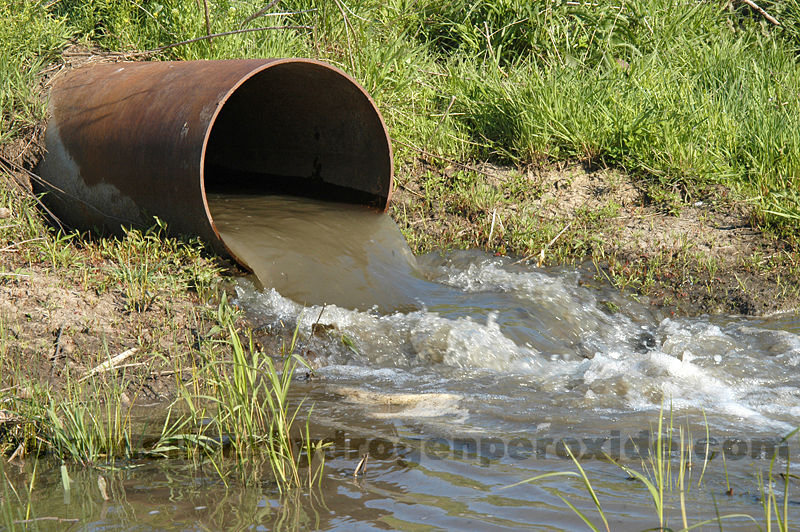
Increased urbanization and shortage of water supply has driven urban, even rural farmers to recyclewaste water from all possible sources that are regularly polluted with untreated domestic and commercial wastes. Confined places of water, including groundwater, streams, urban channels, pipelines and untreated waste water are most likely to be contaminated because of the convergence of increasing population. Untreated waste water utilized for watering system postures potential risk to well being of both consumers and irrigators, and waste water sanitation concerns need to be satisfactorily tended to.The most common practices to prevent waste water contamination include the following:
  • Safer practices for the use of waste water and faecal matter 
  • Checking the outflow of industrial wastes into agriculture fields
  • Preventing any sort of contamination of crops with chemicals and or pathogens
  • Preventing contamination of drinking water sources
  • Reducing the use of pesticides 
  • Managing water and crops to prevent expansion of vector borne diseases

If prevention practices are not satisfactorily tended to, there comes sanitation/ curing. Waste water is basically 95% water, with the rest 5 including pathogens, organic matter, inorganic particles, animals, solids (macro ones), dissolved gases, emulsions like paints, toxic substances like pesticides, medical wastes, bio-solids, and much more.
Waste water sanitation

Waste water sanitation/ treatment are broken into three levels, or in other words, there are three stages of treating waste water.

Essential treatment removes unwanted, suspended or dissolved solids from crude sewage. It incorporates sieving procedures to trap strong objects and sedimentation by gravity to evacuate suspended solids. This level is in some cases alluded to as "mechanical treatment" despite the use of chemicals to quicken the sedimentation procedure. It decreases the BOD levels by 20 - 30 percent and suspended solids by 50 - 60. Essential treatment is typically the first and most important phase of waste water sanitation. Numerous propelled waste water treatment plants in industrialized nations have begun with essential treatment, and have then included other treatment stages as waste water burden has developed, as the requirement for treatment has expanded, and as assets have gotten to be accessible.

Secondary/ natural treatment expels the already dissolved organic matter that may have missed out on the first essential treatment. This is accomplished by microorganisms thriving on the organic matter as food, and changing it over to carbon dioxide, water, and energy for their growth and development. Around 85% of the suspended solids and Body can be evacuated by a well running plant with auxiliary treatment.

Tertiary treatment can evacuate more than 99 percent of the considerable number of polluting influences from sewage, producing effluent of just about drinking-water quality. A case of an average tertiary treatment procedure is the adjustment of a routine optional treatment plant to evacuate extra phosphorus and nitrogen.

Disinfection is usually the last step. Waste water sanitation systems is every now and again incorporated with treatment plant outline, yet not adequately rehearsed, due to the high cost of chlorine, or reduced power of UV where the water is not adequately clear or free of particles.

Tuesday, 22 March 2016

Soil Disinfection with Alstasan Silvox

Soil Disinfection can be used to control many soil-borne infections, pests, nematodes and unwanted weed. Soil fumigation is necessary as it is the single answer for all pathogen-related diseases and stubborn pest infestations like root-knot nematodes. Root rots influence the plant beyond the seedling stage when the parasites have invaded and affected the internal root tissue, meddling with the water supply and supplements, making it vital to treat them before hand.

A synergy of hydrogen peroxide and silver, in presence of a catalyst, serves as a multipurpose and significantly effective soil disinfectant. It is well effective in cases of soil fumigation where it is stable over a wide pH and temperature range, without any known phytotoxic effect.

Conventional soil disinfection includes the usage of steam, or toxic chemicals like formalin which needs time and other chemicals for its toxic effects to fade. They are mostly unstable, having a noted carcinogenic and phytotoxic effect. And in terms of yield, it requires flushing with water, and takes at least three weeks from fumigation to plantation.

Silver Hydrogen Peroxide can be applied in a variety of ways to effectively treat soil-borne infections.
  1. Soil Fumigation
  2. Soil treatment by Drip method 
  3. Soil treatment by Drench method  
  4. Foliar Spray  
  5. Seed treatment
Soil Disinfectant

Advantages of silver hydrogen peroxide over conventional methods: 
  1. Eco-friendly, being non-carcinogenic on humans and having zero phytotoxic effect 
  2. Broad spectrum, being effective over a wide range of microorganisms, owing to its superb antiviral, antifungal, bactericide properties  
  3. Multifunctional,  as hydrogen peroxide and silver finds usage in other media as well  
  4. Nontoxic, with a high LD50 value on humans   
  5. Cold sterilant, as silver hydrogen peroxide does not require any heat for disinfection  
  6. Hydrogen peroxide and silver does not require any flushing of toxic residues with water  
  7. The store and depot function of silver in hydrogen peroxide creates a longtime disinfection, with an added ‘low dosage’ benefit
 This silver stabilized hydrogen peroxide can be used for regular treatment of plants as both preventive and treatment method. Silver hydrogen peroxide has been effectively used in open field cultivation, protective cultivation, floriculture practices, Cocopeat sterilization, and many more.

Silver Hydrogen Peroxide in Soil Disinfection/ Agricultural purposes serves to be effective against fungal diseases like Root Rot, Powdery Mildew, Botrytis Blight, etc. Bacterial Diseases like Leaf Spotting, Wilting, Crown Gall, etc. 

SILVER HYDROGEN PEROXIDE

Silver hydrogen peroxide , a broad spectrum disinfectant is based on the unique formulation of hydrogen peroxide and silver ions in prese...